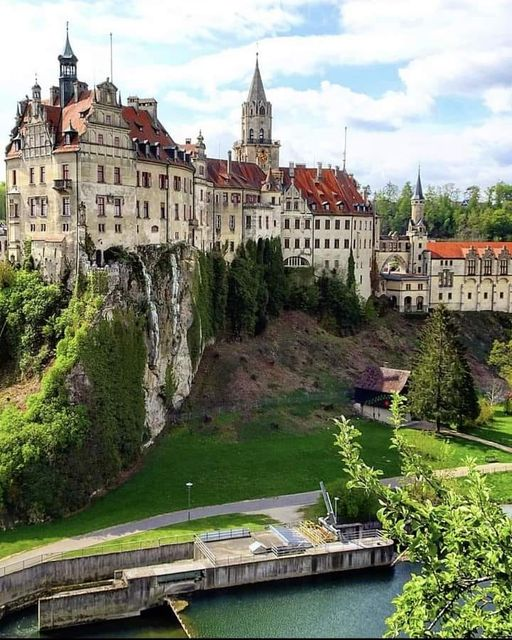
The castle was rebuilt following a fire in 1893, and only the towers of the earlier medieval fortress remain. Schloss Sigmaringen was a family estate of the Swabian Hohenzollern family, a cadet branch of the Hohenzollern family, from which the German Emperors and kings of Prussia came.
Замъкът Зигмаринген, Германия Замъкът е възстановен след пожар през 1893 г. и остават само кулите от по-ранната средновековна крепост. Schloss Sigmaringen е семейно имение на швабската фамилия Хоенцолерн, кадетски клон на фамилията Хоенцолерн, от която произлизат германските императори и кралете на Прусия.
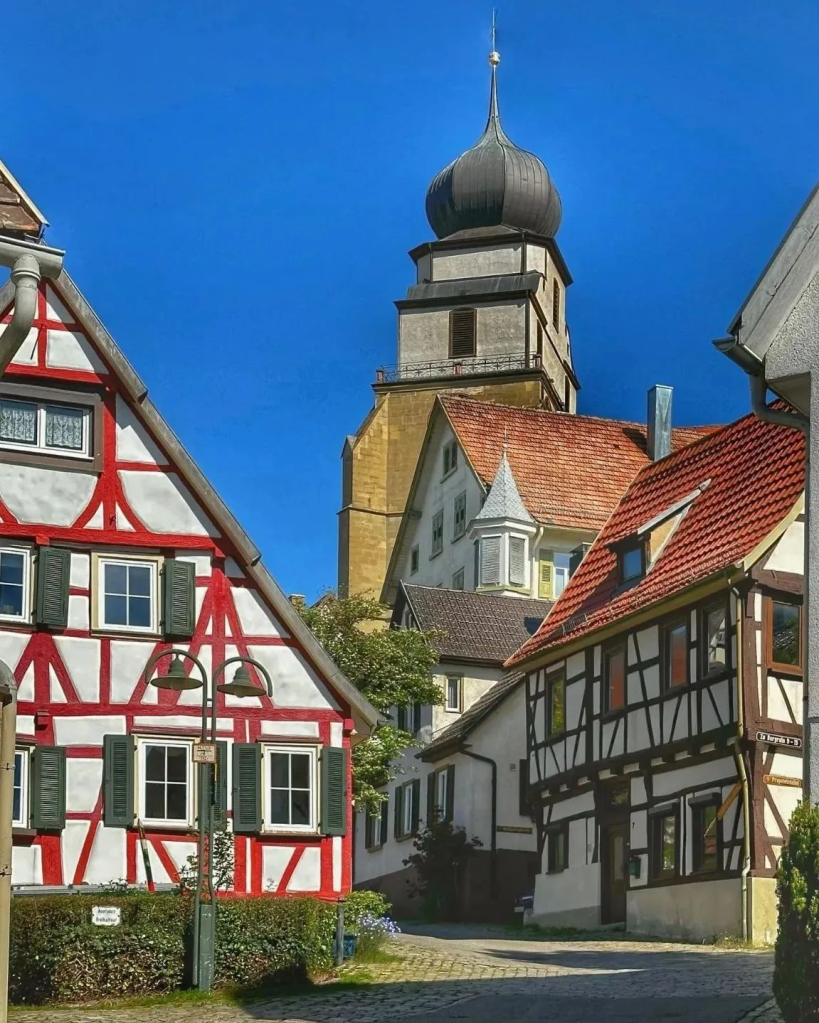
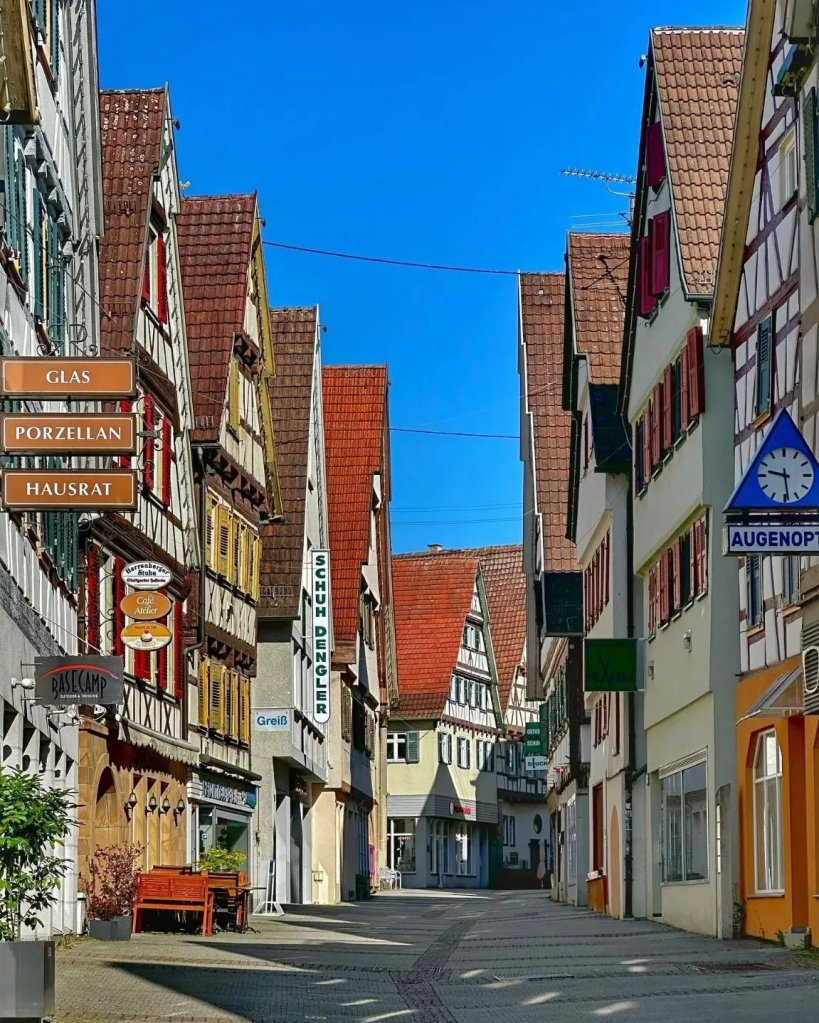
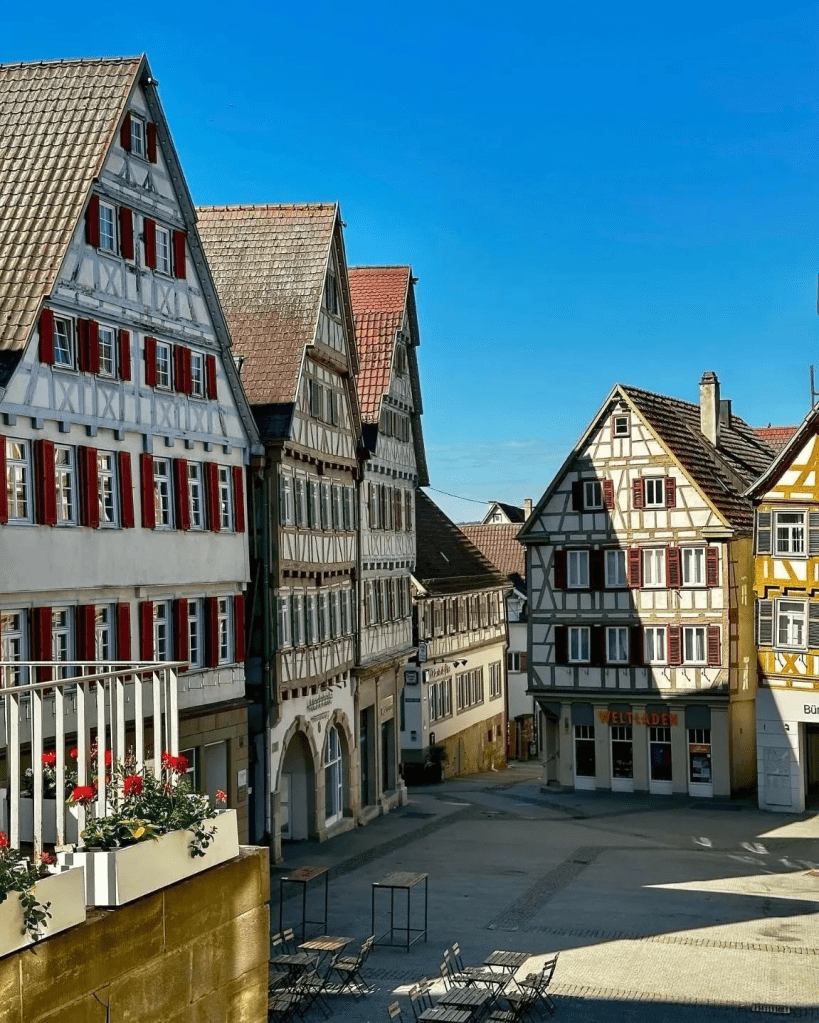
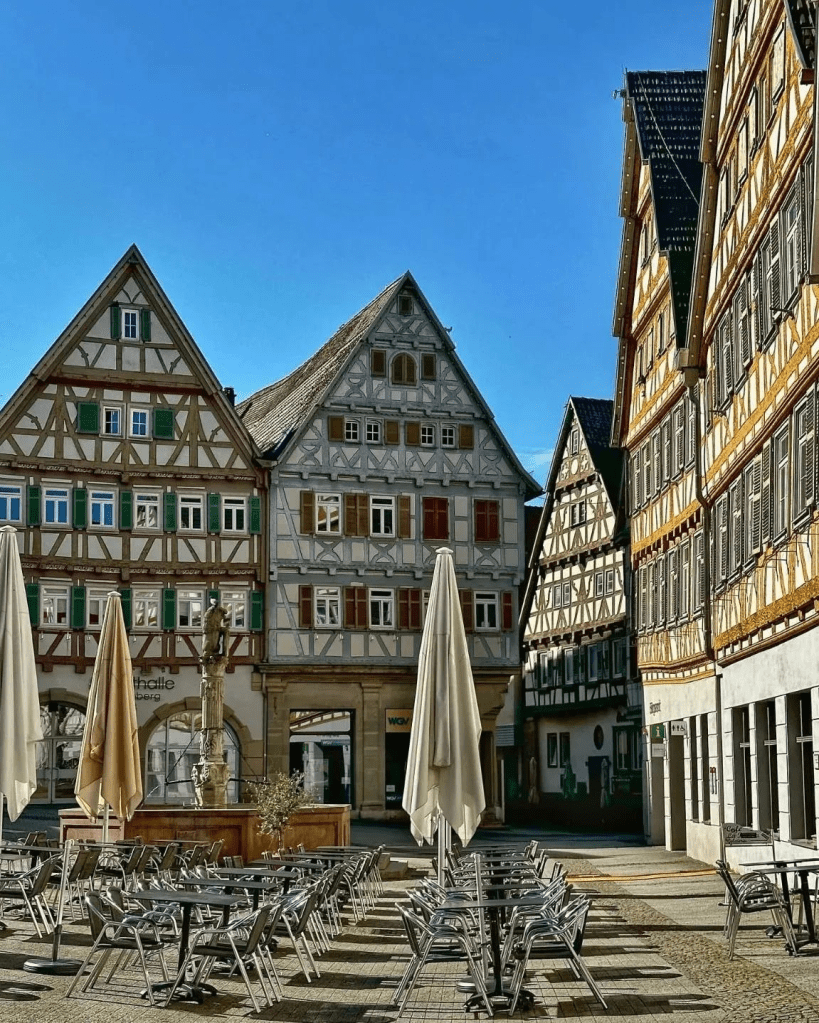
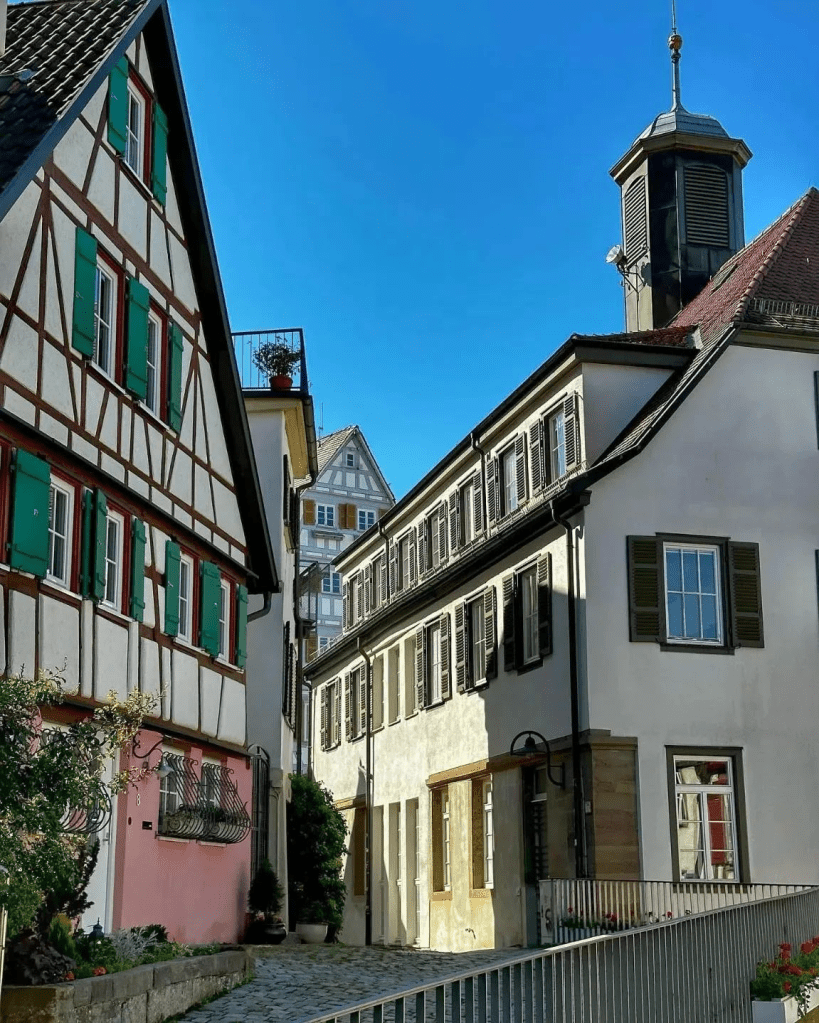
Herrenberg, nestled in the scenic foothills of the Black Forest, is a picturesque town that captures the essence of medieval Germany with its historic architecture and cobblestone streets. Herrenberg Stiftskirche: Start your visit at the Stiftskirche, a striking church that dominates the town’s skyline. Climb the church tower for a panoramic view of Herrenberg and the surrounding countryside. The interior boasts beautifully preserved artifacts and artwork. ⛪🌄 Historic Old Town: Wander through the Old Town with its half-timbered houses and narrow alleys. This area is well-preserved and provides a feel of stepping back in time. Take a moment to relax in one of the charming cafes or browse the small shops offering local crafts. 🏡☕ Schönbuch Nature Park: Explore the nearby Schönbuch Nature Park, a dense forest perfect for hiking, biking, and enjoying nature. The park is a sanctuary for wildlife and offers numerous trails that range from easy to challenging. 🌲🥾 Local Museums: Visit the town museum, located in a beautiful half-timbered house. It provides insights into the local history, from medieval times to the present. The museum often hosts temporary exhibitions that are both educational and engaging. 🏛️🖼️ Herrenberg Bell Museum: Don’t miss the unique Bell Museum, which explores the art and history of bell making—a nod to the region’s rich cultural heritage in this craft. Herrenberg offers a blend of historical discovery and natural beauty, making it a delightful stop for anyone exploring the Black Forest region.
Открийте Херенберг, Германия: Очарователен средновековен град ✨ Херенберг, сгушен в живописните подножия на Шварцвалд, е живописен град, който улавя същността на средновековна Германия със своята историческа архитектура и калдъръмени улици. Herrenberg Stiftskirche: Започнете посещението си от Stiftskirche, поразителна църква, която доминира над силуета на града. Изкачете се на църковната кула за панорамна гледка към Herrenberg и околностите. Интериорът се гордее с прекрасно запазени артефакти и произведения на изкуството. ⛪🌄 Исторически стар град: Разходете се из Стария град с неговите фахверкови къщи и тесни улички. Тази зона е добре запазена и създава усещане за връщане назад във времето. Отделете малко време, за да се отпуснете в някое от очарователните кафенета или да разгледате малките магазинчета, предлагащи местни занаяти. 🏡☕ Природен парк Schönbuch: Разгледайте близкия природен парк Schönbuch, гъста гора, идеална за туризъм, колоездене и наслаждаване на природата. Паркът е убежище за дивата природа и предлага множество пътеки, които варират от лесни до предизвикателни. 🌲🥾 Местни музеи: Посетете градския музей, разположен в красива фахверкова къща. Той предоставя представа за местната история, от средновековието до настоящето. Музеят често е домакин на временни изложби, които са едновременно образователни и ангажиращи. 🏛️🖼️ Музей на камбаните Херенберг: Не пропускайте уникалния Музей на камбаните, който изследва изкуството и историята на правенето на камбани – намигване към богатото културно наследство на региона в този занаят. Херенберг предлага комбинация от исторически открития и природна красота, което го прави приятна спирка за всеки, който изследва района на Шварцвалд. 🌍
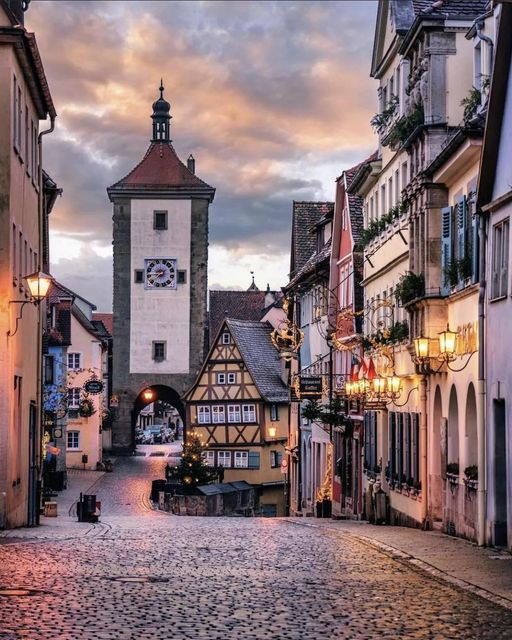
An imperial castle dating back to 1142 represents the beginning of the town. Elevated to a Free Imperial City in 1274, Rothenburg became one of the most important city states of the middle ages. In 1631, during the Thirty Years War, Rothenburg was taken by imperial troops.
Императорски замък, датиращ от 1142 г., представлява началото на града. Издигнат до свободен имперски град през 1274 г., Ротенбург се превръща в един от най-важните градове-държави на Средновековието. През 1631 г., по време на Тридесетгодишната война, Ротенбург е превзет от императорските войски.
In the midst of vineyards, Würzburg is a historic university city in Franconia. All eyes are drawn to the two palaces either side of the Main River. On the right bank behind the old town is the UNESCO-listed Würzburg Residence, the Baroque home for the Prince-Bishops of Würzburg, a palace of staggering size and splendour that has the largest fresco in the world.
On the left bank is the Marienburg Fortress, where the Prince-Bishops lived before the 18th century. In between is a city of astounding churches, chapels and museum. Most of these contain works by one of the masters of the Northern Renaissance, the sculptor Tilman Riemenschneider. He produced dozens of religious statues and effigies in the city and was even locked up in the fortress for a time during the 16th-century German Peasants’ War.
A UNESCO World Heritage Site, the palace for the Prince-Bishop Johann Philipp Franz von Schönborn is on a scale that has to be seen to be believed.
Constructed from 1720 to 1744, the Würzburg Residence is among Europe’s great Baroque palaces and is considered architect Balthasar Neumann’s greatest achievement.
The Residence was hit during the Second World War, but its most splendid architecture survived.
The grand staircase is nothing short of dazzling for its self-supporting trough vault that climbs to 23 metres, and painted with a gigantic fresco by Giovanni Battista Tiepolo.
This is the largest fresco in the world and symbolises the four continents: Europe, America, Asia and Africa.
Visiting dignitaries were received in the breathtaking Imperial Hall, a dazzling mass of painting, stuccowork, statues and marble completed at head-spinning expense in 1751.
A permanent landmark on the left bank of the Main, the Marienburg Fortress crowns a spur high above the river, in a spot that has been fortified since Celtic times.
The castle’s story begins in the 1200s when defensive walls were built around Würzburg first church, which had stood here since the 8th century.
For almost five centuries up to 1719 the Marienburg Fortress was the seat of the Prince-Bishops, and it gradually changed from a defensive building into a Renaissance and then Baroque palace after it was almost razed by the Swedes in the Thirty Years’ War.
The Fürstenbaumuseum reveals Würzburg’s 1,200 years of history, and uses period furniture to help you picture the opulence of the Prince-Bishops.
Among the many enlightening things on the tour is the dungeon where Renaissance master Tilman Riemenschneider was imprisoned for allying with the peasants in the 16th century German Peasants’ War.


 okolosveta