Никола Бенин
Никола Бенин
Nikola Benin
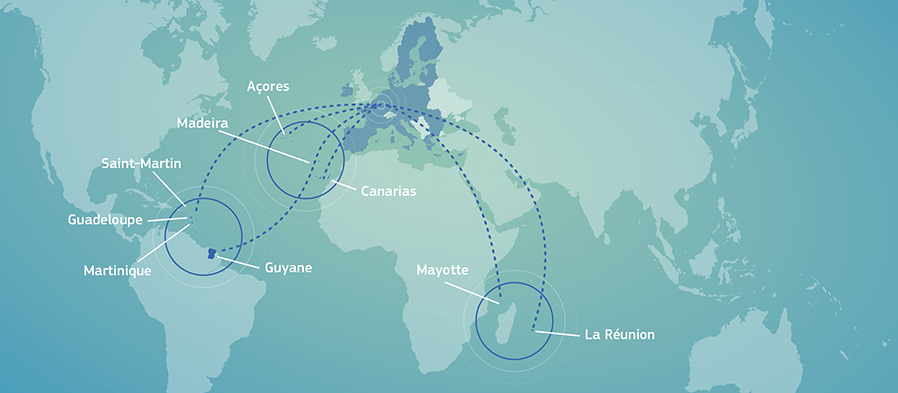
L’Union européenne (UE) compte neuf régions ultrapériphériques géographiquement très éloignées du continent européen. Il s’agit de la Guyane, de la Guadeloupe, de la Martinique, de Mayotte, de La Réunion et de Saint-Martin (France), des Açores et de Madère (Portugal), et des îles Canaries (Espagne).
Les régions ultrapériphériques sont des îles, des archipels et un territoire terrestre (Guyane). Elles sont situées dans l’ouest de l’océan Atlantique, le bassin des Caraïbes, la forêt amazonienne et l’océan Indien. Au total, elles comptent 4,8 millions de citoyens.
Malgré les milliers de kilomètres qui les séparent du continent européen, ces régions font partie intégrante de l’UE. C’est pourquoi la législation européenne ainsi que tous les droits et obligations inhérents à l’appartenance à l’UE s’appliquent aux régions ultrapériphériques. Toutefois, conformément à l’article 349 du traité sur le fonctionnement de l’Union européenne
Les régions ultrapériphériques sont des îles, des archipels et un territoire terrestre (Guyane). Elles sont situées dans l’ouest de l’océan Atlantique, le bassin des Caraïbes, la forêt amazonienne et l’océan Indien. Au total, elles comptent 4,8 millions de citoyens.
Malgré les milliers de kilomètres qui les séparent du continent européen, ces régions font partie intégrante de l’UE. C’est pourquoi la législation européenne ainsi que tous les droits et obligations inhérents à l’appartenance à l’UE s’appliquent aux régions ultrapériphériques. Toutefois, conformément à l’article 349 du traité sur le fonctionnement de l’Union européenne (TFUE), des mesures et des dérogations spécifiques prévues dans la législation de l’UE aident ces régions à relever les principaux défis auxquels elles sont confrontées en raison de leur éloignement, de leur insularité, de leur petite taille, de leur topographie et de leur climat difficiles, et de leur dépendance économique vis-à-vis d’un nombre réduit de produits.
Les régions ultrapériphériques ont un potentiel unique et des atouts propres qui peuvent profiter à l’ensemble de l’UE. Elles assurent une présence européenne dans des zones stratégiques du monde et disposent de caractéristiques exceptionnelles qui en font d’excellents laboratoires pour la recherche et l’innovation dans les domaines de la biodiversité, des écosystèmes terrestres et marins, des énergies renouvelables, de la pharmacologie et des sciences de l’espace.
Depuis 2004, le statut particulier octroyé aux régions ultrapériphériques en vertu de l’article 349 TFUE a mené à l’élaboration de stratégies européennes qui visent à relever les défis auxquels ces régions sont confrontées et à les aider à exploiter leurs atouts. La mise en œuvre de ces stratégies repose sur un partenariat solide établi entre la Commission européenne, les régions ultrapériphériques et leurs États membres (la France, le Portugal et l’Espagne). Le Parlement européen participe également à ce partenariat par l’intermédiaire d’un groupe multipartite composé de neuf députés européens représentant les régions ultrapériphériques. Le Conseil européen convoque un groupe de travail spécifique pour les régions ultrapériphériques lorsque nécessaire.
), des mesures et des dérogations spécifiques prévues dans la législation de l’UE aident ces régions à relever les principaux défis auxquels elles sont confrontées en raison de leur éloignement, de leur insularité, de leur petite taille, de leur topographie et de leur climat difficiles, et de leur dépendance économique vis-à-vis d’un nombre réduit de produits.
Les régions ultrapériphériques ont un potentiel unique et des atouts propres qui peuvent profiter à l’ensemble de l’UE. Elles assurent une présence européenne dans des zones stratégiques du monde et disposent de caractéristiques exceptionnelles qui en font d’excellents laboratoires pour la recherche et l’innovation dans les domaines de la biodiversité, des écosystèmes terrestres et marins, des énergies renouvelables, de la pharmacologie et des sciences de l’espace.
Depuis 2004, le statut particulier octroyé aux régions ultrapériphériques en vertu de l’article 349 TFUE a mené à l’élaboration de stratégies européennes qui visent à relever les défis auxquels ces régions sont confrontées et à les aider à exploiter leurs atouts. La mise en œuvre de ces stratégies repose sur un partenariat solide établi entre la Commission européenne, les régions ultrapériphériques et leurs États membres (la France, le Portugal et l’Espagne). Le Parlement européen participe également à ce partenariat par l’intermédiaire d’un groupe multipartite composé de neuf députés européens représentant les régions ultrapériphériques. Le Conseil européen convoque un groupe de travail spécifique pour les régions ultrapériphériques lorsque nécessaire.

Nikola Benin, Ph.D
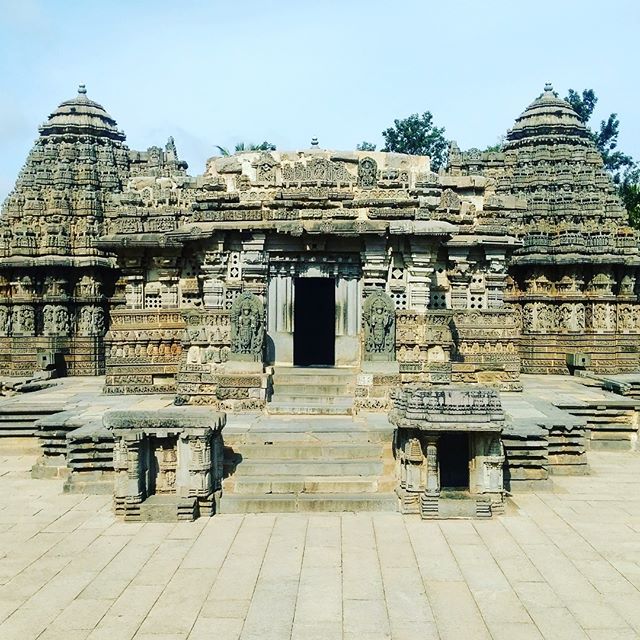
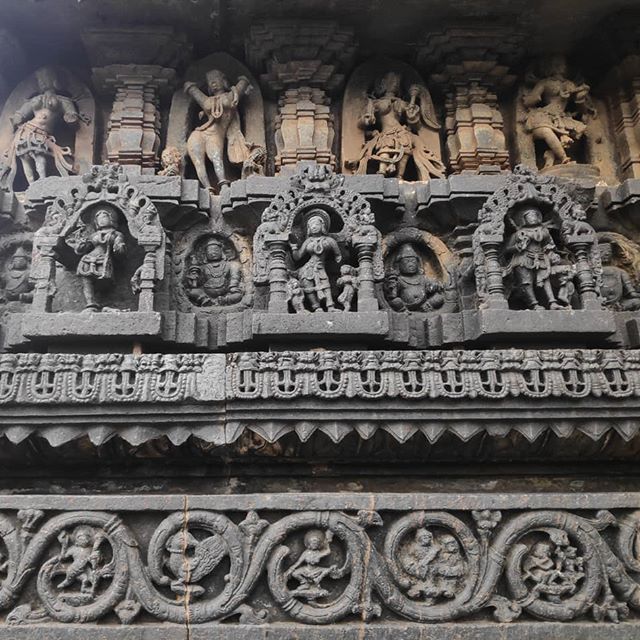
The Chennakeshava Temple originally called Vijayanarayana Temple was built on the banks of the Yagachi River in Belur, by the Hoysala King Vishnuvardhana. Belur, which was an early Hoysala capital, is in the Hassan district of Karnataka state, India. It is 40 km from Hassan city and 220 km from Bangalore. Chennakesava (which means “handsome Kesava”) is a form of the Hindu god Vishnu. The temple was commissioned by King Vishnuvardhana in 1117 AD.
Nikola Benin, Ph.D
Civita di Bagnoregio е основан от eтруските преди повече от 2500 години. Чивита (или градът) е родното място на Свети Бонавентура , който умира през 1274 година. Мястото на неговата детска къща отдавна е паднало от ръба на скалата. До 16-ти век Civita di Bagnoregio започва да намалява, превръщайки се в бившо предградие Bagnoregio.
В края на 17-ти век епископът и общинското правителство бяха принудени да се преместят в Баньорегио заради голямо земетресение, което ускори упадъка на стария град. По това време районът е бил част от папската държава. През 19-ти век местоположението на Civita di Bagnoregio се превръща в остров, а темпото на ерозията се ускорява, тъй като в района на днешния мост се достига слой от глина под камъка. Bagnoregio продължава като малък, но проспериращ град, докато по-старият сайт стана известен на италиански като La città che muore (“Умиращият град”).


Nikola Benin, Ph.D


Nikola Benin, Ph.D
It is said that Dante would frequent the Piazza del Duomo in Florence on summer evenings, perch himself on a ruin, exposed to the cool breeze, and remain there until dark.
In his work entitled La Vita Nova, Dante wrote that in 1291 he used to sit with his hand and think about Beatrice, drawing an angel with his finger over a few small clouds.
Beatrice had died the previous year. It is therefore almost certain that the legend of the stone of Dante is based on actual events.
Dante often remained there alone in thought, occasionally speaking with friends who passed by. Also, since he was considered a great sage, many visited him seeking advice.
While the stone of Dante is now lost, an inscription remains indicating the exact location where Dante sat, probably in part to admire the construction of the Santa Maria del Fiore, just recently begun.

The inscription is located between the Piazza delle Pallottole and the Via dello Studio, and relates a humorous episode concerning this habit of Dante:
At one time a friend of Dante, a merchant from Bologna attempted to engage him in a conversation about food. However, the poet would not pay any attention to him.
Finally, the merchant asked him: “what is your favorite food?” Without looking at him, Dante replied: “the hard-boiled egg”.
The merchant then went away, and many months passed.
When the merchant returned to town for business, he wanted to see the progress of the construction of Santa Maria del Fiore and passed nearby. He found Dante in the place where they had met months earlier, still deep in thought.
Wanting to play a trick on Dante undetected, he came up from behind him and, remembering the poet’s last reply, asked him: “… with what?” Without hesitation, Dante replied: “with salt.”
This anectode is a favourite among the Florentines, who see themselves as shy and slightly eccentric, but intelligent and witty, like Dante.

Nikola Benin, Ph.D
Dante Alighieri was an Italian Medieval poet, moral philosopher, political thinker, and author of the poetic trilogy, The Divine Comedy, whose first part lends its name to Dan Brown’s novel Inferno.
He is widely considered the major Italian poet of the Middle Ages and is recognized as the father of the Italian language.
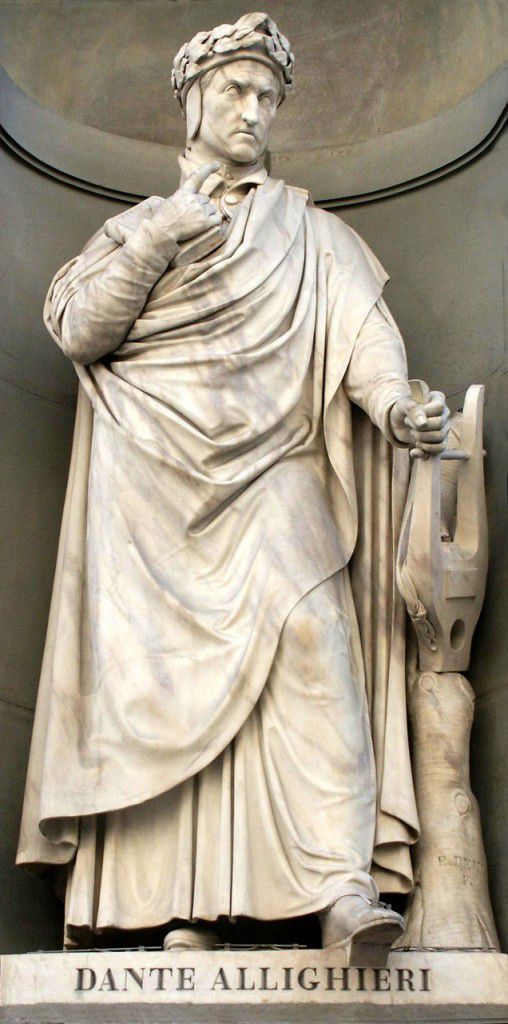
Dante Alighieri, in full, Durante degli Alighieri, was born in Florence in 1265 and died in Ravenna in 1321.
He was the son of Alighiero di Bellincione and Bella degli Abati, the latter of which died when Dante was not yet ten years old.
Dante’s family had loyalties to the Guelphs, a political alliance that supported the papacy and that was completely opposed to the Ghibellines, who were backed by the Holy Roman Emperor.
When Dante was 12, he was promised in marriage to Gemma di Manetto Donati, daughter of Manetto Donati, member of the powerful Donati family.
They were married around 1285, but by this time Dante was in love with another woman, Beatrice Portinari, whom he first met when he was only nine. His love for Beatrice would be his reason for poetry and for living, together with his political passions. In many of his poems, she is depicted as semi-divine, and watching over him constantly and providing spiritual instruction.
Beatrice died unexpectedly in 1290; five years later, Dante published Vita Nuova (The New Life), a work composed of verse and prose. It contains 42 brief chapters with commentaries in 25 sonnets, one ballata, and four canzoni; a fifth canzone is left dramatically interrupted by Beatrice’s death.
The story is quite simple and details his tragic love for Beatrice. The New Life is notable because it was written in Italian, whereas most other works of the time appeared in Latin.
Around the time of Beatrice’s death, Dante began to immerse himself in the study of philosophyand the machinations of the Florentine political scene.
Florence was a tumultuous city, with factions representing the papacy or the empire, namely the Black Guelphs and The White Guelphs, who were continually at odds. Dante held a number of important public posts as a White Guelph.
In 1301, Charles of Valois, brother of King Philip IV of France, was expected to visit Florence because the Pope had appointed him peacemaker over Tuscany. However, since it was believed that Charles had received other unofficial instructions, the city council sent a delegation to Rome to ascertain the Pope’s intentions. Dante was among the delegates.
Pope Boniface VIII quickly dismissed the other delegates and asked Dante alone to remain in Rome. At the same time, Charles of Valois entered Florence with the Black Guelphs, who in the next six days would destroy much of the city and kill many of their enemies.
In 1302 a new Black Guelph government was instituted and Dante was exiled from Florence for the rest of his life. Although Dante was driven out of Florence, this would be the beginning of his most productive artistic period.
During his exile Dante traveled and wrote, and completely withdrew from politics.
In 1304, he went to Bologna, where he began his Latin treatise De Vulgari Eloquentia, in which he urged that courtly Italian, used for amatory writing, be enriched with aspects of every spoken dialect to establish Italian as a literary language.
In March 1306, Florentine exiles were expelled from Bologna, and Dante ended up in Padua.
In 1308, Henry of Luxembourg was elected emperor as Henry VII. Full of optimism about the changes that this election could bring to Italy, Dante wrote his famous work on the monarchy, De Monarchia, in three books, in which he claimed that the authority of the emperor is not dependent on the Pope but is granted to him directly from God.
Around this time, he began writing his most famous work, The Divine Comedy, which he completed in 1317 in Ravenna, where he lived till his death in 1321.
The Divine Comedy is an allegory of human life presented as a visionary trip through the Christian afterlife, written as a warning to a corrupt society to steer itself unto the path of righteousness.
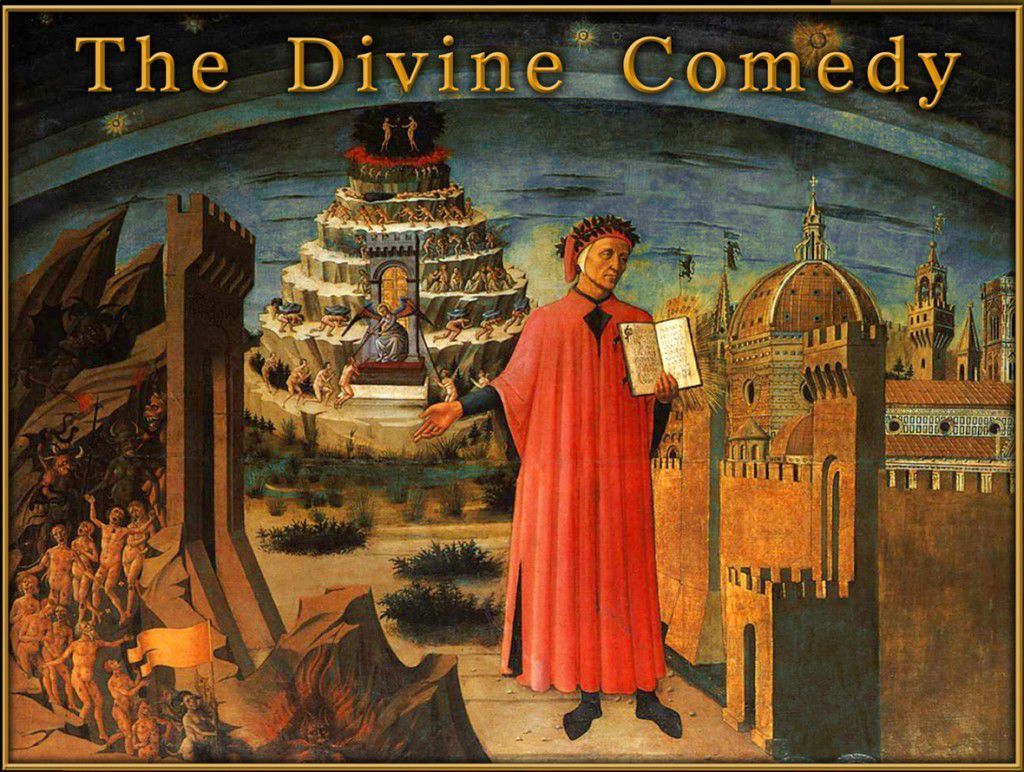
The poem is written in the first person, from the poet’s perspective, and follows Dante’s journey through the three Christian realms of the dead: Hell (Inferno), Purgatory (Purgatorio), and Heaven (Paradiso).
The Roman poet Virgil guides Dante through Hell and Purgatory, while Beatrice guides him through Heaven.
The journey lasts from the night before Good Friday to the Wednesday after Easter in the spring of 1300, before Dante’s exile from Florence.
The structure of the three realms of the afterlife follows a common pattern of nine circles, with an additional tenth: nine circles of hell, followed by Lucifer’s level at the bottom; nine rings of purgatory, with the Garden of Eden at its peak; and nine celestial bodies of heaven, followed by the empyrean, the highest stage of heaven, where God resides.
The poem is composed of 100 cantos, written in the metre known as terza rima, a rhyming verse stanza form that consists of an interlocking three-line rhyme scheme.
Virgil guides Dante through Inferno where they meet people who have committed specific sins during their lifetime. For each sin Dante notices a specific punishment. For instance, in the ninth circle, occupants are buried up to their chins in ice, chew on each other, and are beyond redemption, fated to eternal damnation.
In the Purgatorio, Virgil leads Dante on a long climb up the Mount of Purgatory through seven levels of suffering and spiritual growth, before reaching the earthly paradise at the top. Here, the poet’s journey represents the Christian life, in which Dante must learn to reject the visible earthly paradise for the heavenly one that awaits.
Beatrice, representing divine enlightenment, leads Dante through the Paradiso. Along the way, Dante encounters those who were luminaries of intellectualism, faith, justice, and love, such as Thomas Aquinas, King Solomon, and Dante’s own great-great-grandfather. In the final sphere, Dante comes face to face with God himself, who is represented as three concentric circles, which in turn represent the Father, the Son, and the Holy Spirit.
The journey ends here with true heroic and spiritual fulfillment.
The Divine Comedy has made Dante one of the most important and recognized poets of the Middle Ages and has assured him the epithet of Sommo Poeta.
Nikola Benin, Ph.D
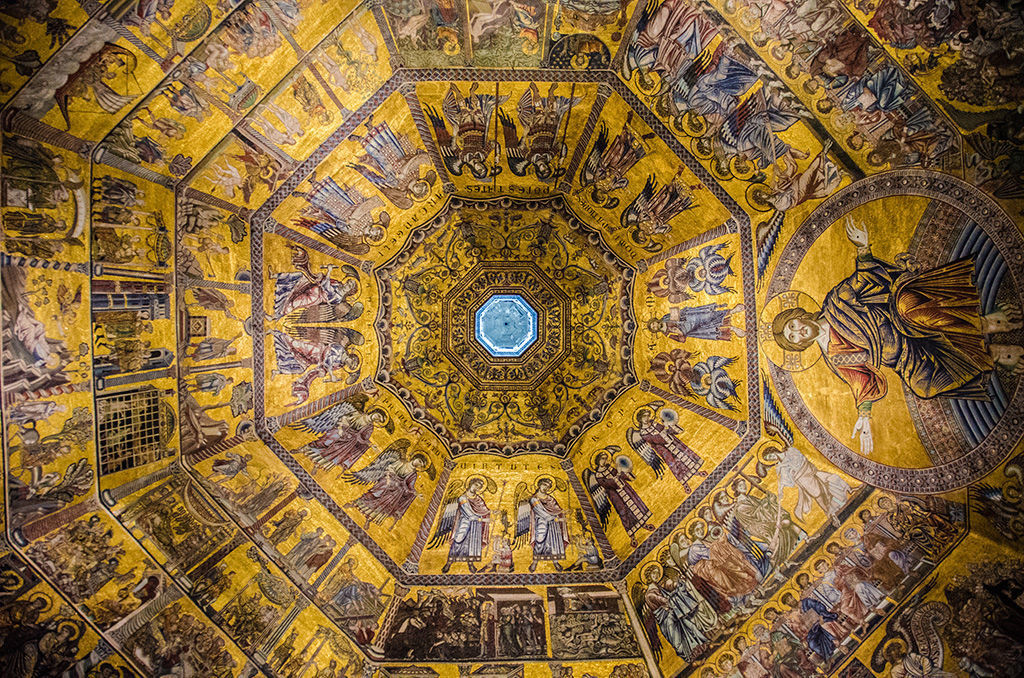
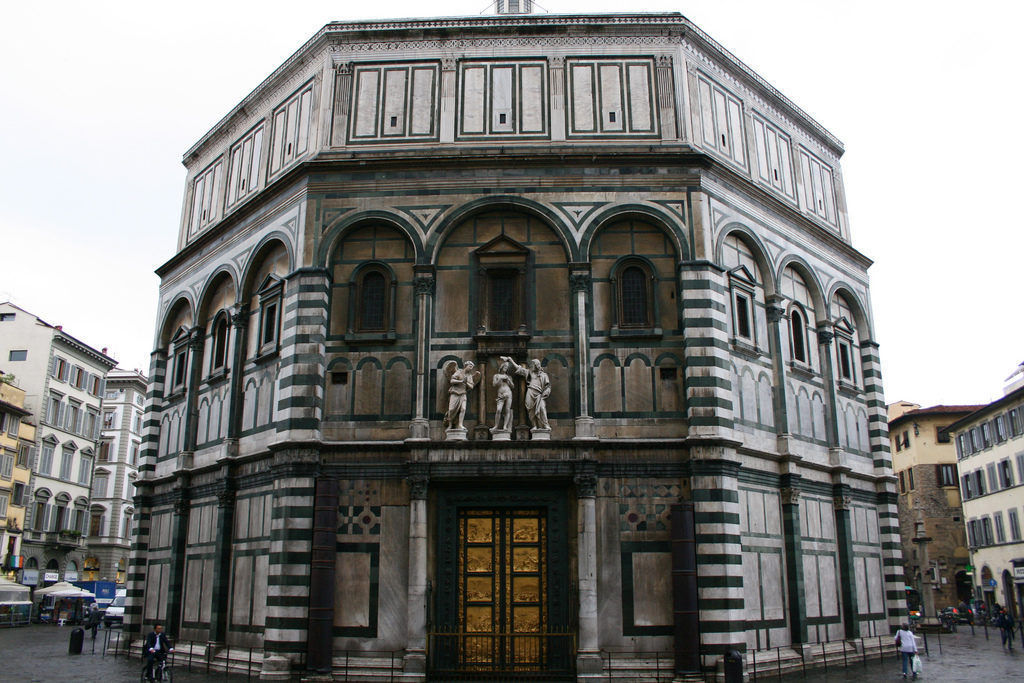
The Florence Baptistery, also known as the Baptistery of Saint John, the patron saint of Florence, is a religious building that stands in Piazza del Duomo, across from the Florence Cathedral and the Campanile di Giotto.
Its origins are in part mysterious.
It was long believed that the Baptistry was originally a Roman temple dedicated to Mars, the tutelary god of ancient Florence.
It was first described in 897 as a minor basilica, the city’s second basilica after San Lorenzo, outside the northern city wall, and predates the church Santa Reparata. On March 4, 897, the Count Palatine and envoy of the Holy Roman Emperor sat there to administer justice.
The granite pilasters were probably taken from the Roman forum located at the present site of Piazza della Repubblica.
At that time, the baptistry was surrounded by a cemetery with Roman sarcophagi, used by important Florentine families as tombs.
We know for certain that in 1059, a building with the same structure was consecrated in that location.
The structure in Romanesque style was evidence of the growing economic and political importance of Florence.
It was reconsecrated on November 6, 1059, by Pope Nicholas II, a Florentine. According to legend, the marbles were brought from Fiesole, conquered by Florence in 1078. Other marble came from ancient structures.
The construction was finished in 1128 when it was consecrated as the Baptistery of Florence and as such is the oldest religious monument in Florence.
Up until the end of the 19th century, all catholics in Florence were baptized within its doors.
It also hosted the baptism of also hosted the baptism of Dante Alighieri, who mentions it in his Divine Comedy:
No smaller or no larger they seemed to me
Than are those booths for the baptismal fonts
Built in my beautiful San Giovanni (Inferno, Canto XIX, 16-18)
Dante recalls the ancient medieval baptismal fonts that were still in his time
And one of those, not many years ago,
I broke up to save someone drowning in it:
And let my word here disabuse men’s minds (Inferno, Canto XIX, 19-21)
and said that one day, seeing a child drowning in one of those fonts, he broke a rim in an attempt to save the child.
The Baptistry has a compact octagonal shape (eight equal sides)that conceals a very old symbolic reference: the octagon in the early Christian tradition is the eighth day, when Christ resurrected and started to live forever. This is a clear reference to the rite of baptism.
The sides, originally constructed in sandstone, are clad in geometrically patterned colored marble, white Carrara marble with green Prato marble inlay, reworked in Romanesque style between 1059 and 1128.
The pilasters on each corner, originally in grey stone, were decorated with white and dark green marble in a zebra-like pattern by Arnolfo di Cambio in 1293.
An octagonal lantern was added to the pavilion roof around 1150.
The baptistry was enlarged with a rectangular entrance porch in 1202, leading into the original western entrance of the building, which became an apse after the opening of the eastern door, and faced the cathedral’s western door by Lorenzo Ghiberti in the 15th century.
On the corners, under the roof, are monstrous lion heads with a human head under their claws. They are early representations of Marzocco, the heraldic Florentine lion (the symbol of Mars, the god of war, the original male protector of Florence, protecting a lily or iris, the symbol of the original female patron of the town (Flora, the fertile agricultural earth goddess).
Between the fourteenth and sixteenth centuries, three bronze double doors were added, with bronze and marble statues placed above them.
The exterior is also ornamented with a number of artistically significant statues by Andrea Sansovino (above the Gates of Paradise), Giovan Francesco Rustici, Vincenzo Danti (above the south doors), and others.
The design work on the sides is arranged in groupings of three, starting with three distinct horizontal sections. The middle section features three blind arches on each side, each arch containing a window. These have alternate pointed and semicircular tympani. Below each window is a stylized arch design. In the upper fascia, there are also three small windows, each one in the center block of a three-panel design.
The style of this church served as a prototype, influencing many architects, such as Leone Battista Alberti, in their design of Renaissance churches in Tuscany.
The interior is divided into a lower part with columns and pilasters and an upper part with a walkway. The interior walls are clad in dark green and white marble with inlaid geometric patterns. The niches are separated by monolithic columns of Sardinian granite. The marble revetment of the interior was begun in the second half of the eleventh century.
The rectangular apse was faced with mosaics in 1225.
The baptismal font, dated to 1371, is attributed to a follower of Andrea Pisano and is decorated with six marble bas-reliefs depicting drops of baptism. It is flanked by a candelabrum and a pair of Gothic fonts attributed to a follower of Arnolfo di Cambio.
In front of the altar is a grating that shows the basements, which are home to the ruins of the ancient Roman building with geometric mosaic floors. The ruins were discovered thanks to a series of excavations carried out at the beginning of the twentieth century.
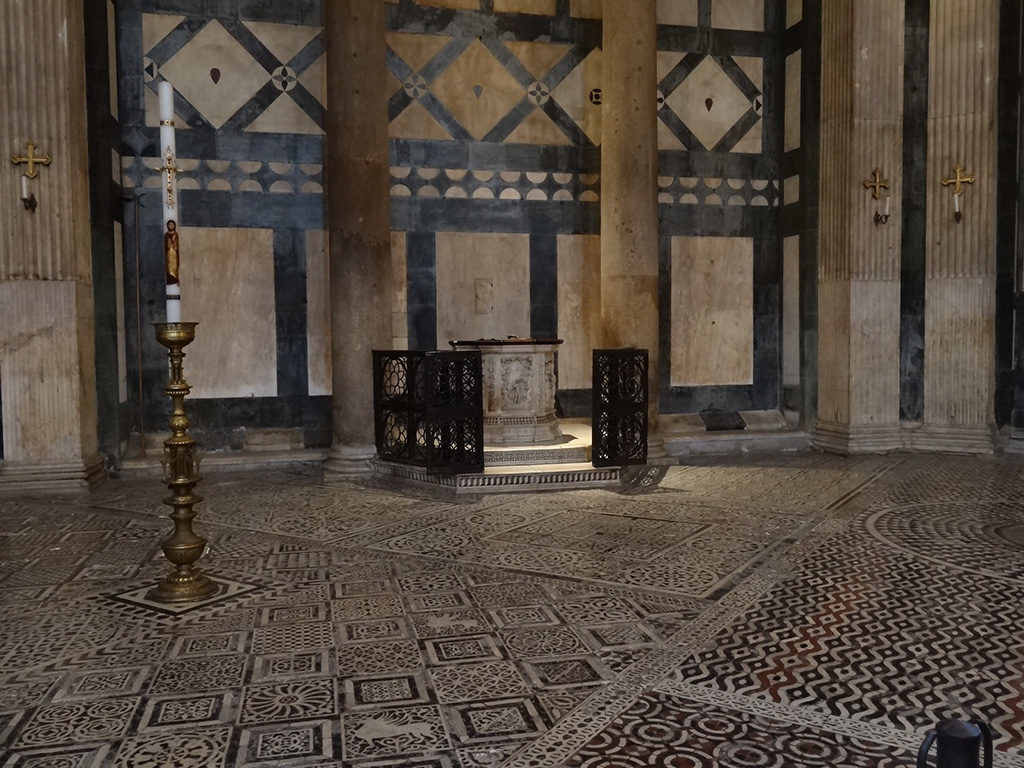
The beautiful interior of the Baptistry is a treasure chest of symbols and mysteries.
The dome and the apse of the Baptistery of San Giovanni are decorated with impressive golden mosaics.
The apse is decorated with images of Christ, the Virgin Mary, the apostles, prophets, and angels, accompanied by images of leaves and plants.
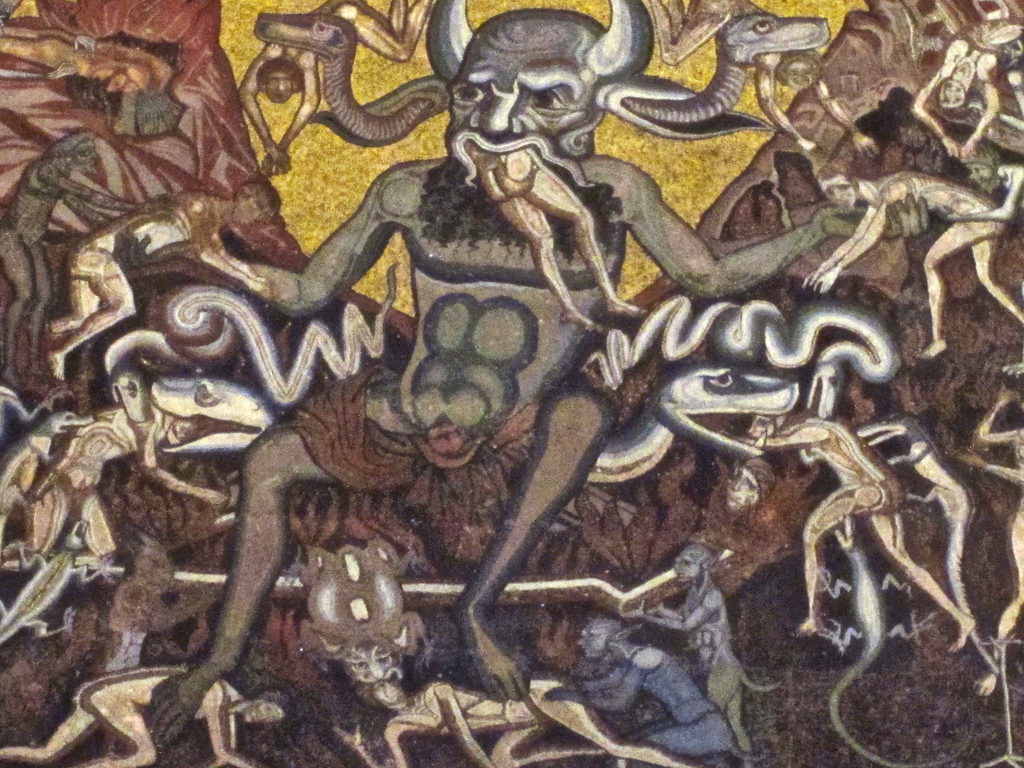
The beautiful celing mosaic dates back to the 13th century and reminds the faithful of the inexorable divine justice in an impressive representation of the Last Judgement. The figures of this work are monstrous and grotesque and recall religious symbols and psalms.
There are many depictions of animals in the mosaics according to the tradition of early Christian symbolism.
The most impressive is the representation of Hell by Coppo di Marcovaldo in which Satan, horned, on a throne inflamed, devouring the damned. Monsters in the shape of a snake, frog or lizard come out from his body. The damned are tortured by many demons in a terrifying scene attributed to Coppo di Marcovaldo as well.
Formerly a hole in the dome, now closed, allowed sunlight to come in and hit the signs of the zodiac on the floor at the North Gate, on which is still written a palindrome, engraved with a blazing sun:
en giro torte sol ciclos et rotor igne
The sign indicated the place where the sun, entering from the top of the dome, would have fallen every year on the summer solstice. On that date, June 24, recurred the feast of St. John, who is the patron saint of Florence.
The most famous work of art in the Baptistry is definitely the Gates of Paradise, one if its bronze doors.
It was made by Lorenzo Ghiberti in mid-1400 and the name of Gate of Paradise was chosen probably by Michelangelo.
The decoration is focused on the theme of sin and redemption…
In Dan Brown’s Inferno Robert Langdon finds next to this door the indication which will lead him to the mask of Dante.
Besides, other elements contribute to make the Baptistry one of the most fascinating places in Florence.
In the Baptistry of St. John is buried Pope John XXIII, considered an antipope by Catholic Church. Persecuted by the official Church, he took refuge by the Medici family in Florence, where he died in 1418. His tomb was built by Donatello and Michelozzo.
Even outside the Baptistry there are a number of mysterious symbols.
A solitary column surmounted by a cross of the fourteenth century stands beside the building. It stands on the spot where a tree miraculously flourished in the middle of winter, when the relics of St. Zanobi were moved from San Lorenzo Basilica to the church of Santa Reparata (which is now under the Cathedral).
On the exterior columns of the Baptistry there are two bas-reliefs representing the foot imprint of Liutprando (King of the Lombards). Legend says that the king imposed a definitive unit of measurement known as the “Lombard Foot” for the trades with Florence.
Nikola Benin, Ph.D
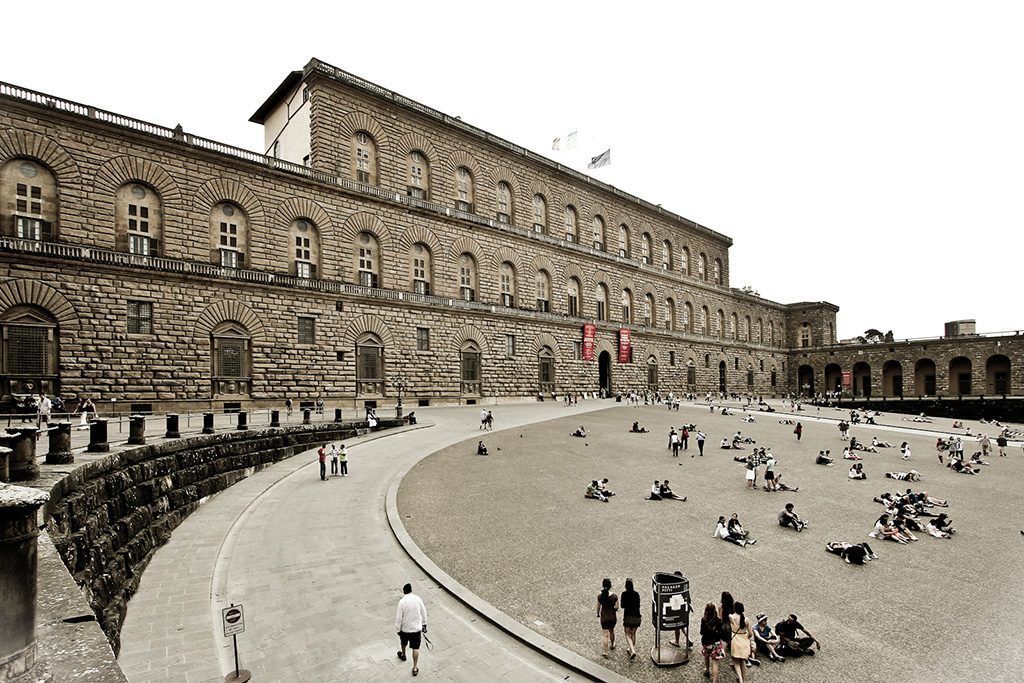
The Palazzo Pitti is a vast, mainly Renaissance, palace in Florence. It is situated on the south side of the Arno River, a short distance from the Ponte Vecchio.
Wanted by Luca Pitti,an ambitious Florentine banker,to challenge the hated Medici family, Palazzo Pitti was, at the time of construction around 1440, the largest and most impressive private residence in the city of Florence.
Even today it is the largest museum complex in Florence.The principal palazzo block, often known as the corps de logis in a building of this design, makes up 32,000 square metres. It is divided into several principal galleries or museums.
Purchased in 1550, the Palace was chosen by Cosimo I de’ Medici and his wife Eleanor of Toledo as the new Grand Ducal residence, and it soon became the new symbol of the Medici’s power over Tuscany. It grew as a great treasure house as later generations amassed paintings, plates, jewelry, and luxurious possessions.
It was also the royal palace of two other dynasties: the House of Lorraine-Habsburg (which succeeded the Medici in 1737) and the Kings of Italy of the House of Savoy (who inhabited it from 1865 to 1871).
At the beginning of the nineteenth century, Pitti Palace was also the residence of the Bourbon-Parma family and then of Elisa Bonaparte, who ruled over Tuscany for a short period.
The construction of this forbidding building was commissioned in 1458 by the Florentine banker Luca Pitti (1398-1472), a principal supporter and friend of Cosimo de’ Medici. The early history of the Palazzo Pitti is a mixture of fact and myth.
According to tradition, Filippo Brunelleschi would have designed the building, but this theory lacks historical evidence.
According to the official version, Luca Fancelli, a collaborator of Brunelleschi, was actually the architect of the Palazzo Pitti.
Besides obvious differences arising from the elder architect’s style, Brunelleschi died 12 years before construction of the palazzo began.
The building has a severe aspect, built with huge, heavy, and rustic stone blocks, the effect of which was perhaps inspired by ancient Etruscan walls.
The severe and powerful aspect is reinforced by the three-times-repeated series of seven arch-headed apertures, reminiscent of a Roman aqueduct.
This original design has withstood the test of time: the repetitive formula of the façade was continued during the subsequent additions to the palazzo, and its influence can be seen in numerous 16th-century imitations and 19th-century revivals.
The technique used to construct the building is similar to that used for other Florentine palaces: large stones at the base and finer and more refined stones at the top.
In the lower part of the façade are two seemingly strange hewn stones: a long one and a short one.
According to legend, it was Luca Pitti who wanted to fix the stones next to each other to symbolize his greatness over the smallness of his enemies.
For the same desire to compete with the powerful Florentine families, tradition says that Luca Pitti had ordered that a courtyard be built. It had to be so big that it would have been able to conten Palazzo Strozzi.
The stones mentioned above are located to the left of the main entrance facing the façade.
The desire to compete with the Medici family and the unfortunate political fate of Luca Pitti, however, soon caused the economic ruin of the Pitti family and the consequent interruption of work at the Palazzo Pitti in 1464.
Work stopped after Pitti suffered financial losses following the death of Cosimo de’ Medici in 1464. Luca Pitti died in 1472 with the building unfinished.
The building was sold in 1549 by Buonaccorso Pitti, a descendant of Luca Pitti, to Eleonora di Toledo, wife of Cosimo I de’ Medici of Tuscany, later the Grand Duke.
On moving into the palace, Cosimo had Vasari enlarge the structure to fit his tastes; the palace was more than doubled by the addition of a new block along the rear. Vasari also built the Vasari Corridor, an above-ground walkway from Cosimo’s old palace, and the seat of government, the Palazzo Vecchio, through the Uffizi, above the Ponte Vecchio to the Palazzo Pitti. This enabled the Grand Duke and his family to move easily and safely from their official residence to the Palazzo Pitti.
Land on the Boboli hill at the rear of the palazzo was acquired to create a large formal park and gardens, today known as the Boboli Gardens.
The landscape architect employed for this endeavor was the Medici court artist Niccolò di Raffaello, known as Tribolo, who died the following year. He was quickly succeeded by Bartolommeo Ammanati and Buontalenti. The original design of the gardens centred on an amphitheatre, behind the corps de logis of the palazzo.
With the garden project well in hand, Ammanati turned his attentions to creating a large courtyard immediately behind the principal façade, to link the palazzo to its new garden.
This courtyard has heavy-banded channelled rustication that has been widely copied in European courts.
Between 1558 and 1577, Ammanati created a monumental staircase to lead with more pomp to the piano nobile. He also extended the wings on the garden front that embraced a courtyard excavated into the steeply sloping hillside at the same level as the piazza in front, from which it was visible through the central arch of the basement.
On the garden side of the courtyard, Amannati constructed a grotto, called the “grotto of Moses” on account of the porphyry statue that inhabits it.
On the terrace above it, level with the piano nobile windows, Ammanati constructed a fountain centered on the axis.
In 1616, a competition was held to design extensions to the principal urban façade by three bays at either end. Giulio Parigi won the commission. Work on the north side began in 1618 and on the south side in 1631 by Alfonso Parigi.
During the 18th century, two perpendicular wings were constructed by the architect Giuseppe Ruggeri to enhance and stress the widening of via Romana, which creates a piazza centered on the façade, the prototype of the cour d’honneur, which was copied in France.
Sporadic lesser additions and alterations were made for many years thereafter under other rulers and architects.
To one side of the Gardens is the bizarre grotto designed by Bernardo Buontalenti.
The lower façade was begun by Vasari, but the architecture of the upper storey is subverted by “dripping” pumice stalactites with the Medici coat of arms at the centre.
The interior is similarly poised between architecture and nature; the first chamber has copies of Michelangelo‘s four unfinished slaves emerging from the corners, which seem to carry the vault with an open oculus at its centre and painted as a rustic bower with animals, figures, and vegetation.
Figures, animals, and trees made of stucco and rough pumice adorn the lower walls.
A short passage leads to a small second chamber and to a third, which has a central fountain with Giambologna’s Venus in the centre of the basin.
The Venus peers fearfully over her shoulder at the four satyrs, which spit jets of water at her from the edge.
The palazzo remained the principal Medici residence until the last male Medici heir died in 1737. It was then occupied briefly by his sister, the elderly Electress Palatine. On her death, the Medici dynasty became extinct and the palazzo passed to the new Grand Dukes of Tuscany, the Austrian House of Lorraine, in the person of Francis I, Holy Roman Emperor.
With he and his wife Johanna of Austria, the palazzo was occupied on a permanent basis and became home to the Medici art collection. Previously, the Palazzo was used mostly for lodging official guests and for occasional court functions.
The Austrian tenancy was briefly interrupted by Napoleon, who used the palazzo during his period of control over Italy.
When Tuscany passed from the House of Lorraine to the House of Savoy in 1860, the Palazzo Pitti was included in the transfer of power.
After the Risorgimento, when Florence was briefly the capital of the Kingdom of Italy, Victor Emmanuel II resided in the palazzo until 1871.
His grandson Victor Emmanuel III presented the palazzo to the nation in 1919.
The palazzo and other buildings in the Boboli Gardens were then divided into five separate art galleries and a museum, housing not only many of its original contents, but also priceless artefacts from many other collections acquired by the state.
The 140 rooms open to the public are part of an interior, which is in large part a later product than the original portion of the structure, mostly created in two phases: one in the 17th century and the other in the early 18th century.
The Palatine Gallery, the main gallery of Palazzo Pitti, occupies the entire first floor of the palace and contains a large ensemble of over 500 principally Renaissance paintings, which were once part of the private art collection of the Medici and their successors.
The lavish Gallery was founded between the end of the 18th century and the first decades of the 19th century by the Habsburg-Lorraine family, who hung about 500 masterpieces in the ceremonial rooms chosen from the main Medici collections.

It is an impressive selection, which includes the largest concentration of paintings by Raphael in the world, as well as invaluable works by Titian, Tintoretto, Caravaggio, and Rubens. The paintings, in their lavish frames, entirely cover the walls of the rooms, which are enriched by sculptures, vases, and tables with semi-precious stone inlays, typical of 17th-century galleries.
The sensational series of baroque frescoes in the “Planet Rooms” (scenes of mythology, nature, and symbolism) by Pietro da Cortona for Grand Duke of Tuscany Ferdinando II de’ Medici, realized between 1640 and 1647 add to the unique charm of the Gallery, where every work of art is enhanced by the setting and the furnishings.
The character of the gallery is still that of a private collection, and the works of art are displayed and hung much as they would have been in the grand rooms for which they were intended rather than following a chronological sequence or arranged according to a particular school of art.
Today Palazzo Pitti, in addition to the palatine gallery with his 28 rooms, houses several important museums: the Silver Museum, the Costume Museum, the Porcelain Museum, the Gallery of Modern Art, the Royal Apartments, and the recently acquired Contini-Bonacossi Collection.
 okolosveta